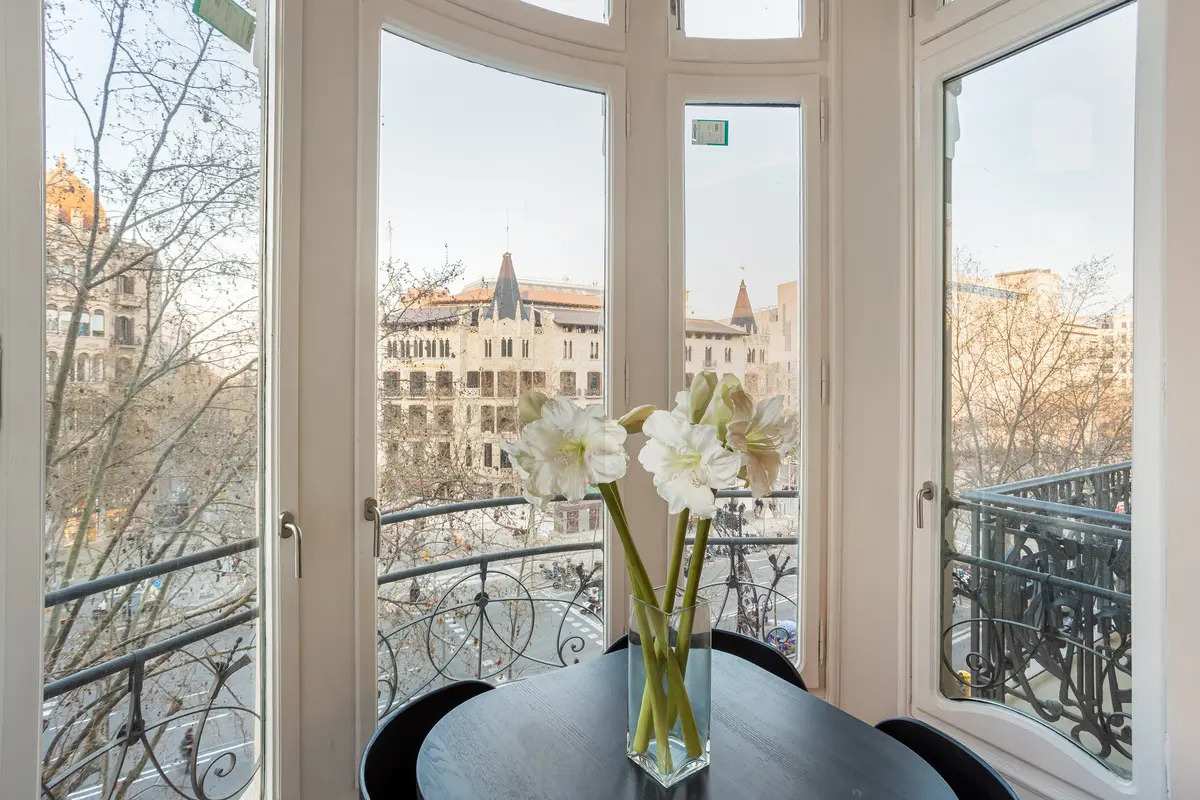
Eixample is the Barcelona of the Cerdà grid: blocks with chamfered corners, wide tree-lined streets and some of the most photographed modernista facades in the world, from the Passeig de Gràcia to the Sagrada Família. Within the district, each neighbourhood has its own nuance. La Dreta de l'Eixample is the most stately, thanks to the grandeur of its modernista buildings; the Antiga and the Nova Esquerra have their markets, terraces and street life; and the Sagrada Família combines Gaudí's temple with quiet streets just minutes away. Sant Antoni, around its market, and Fort Pienc complete a district that is, above all, the centre of the city.
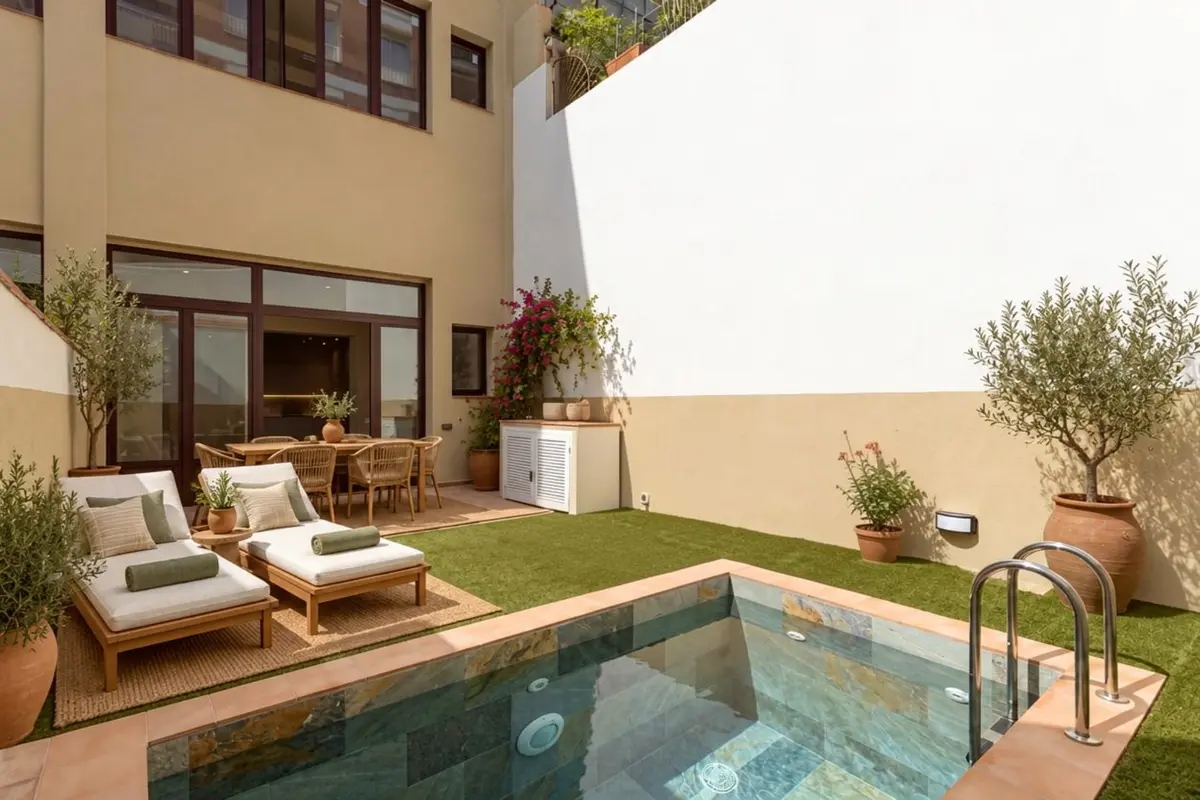
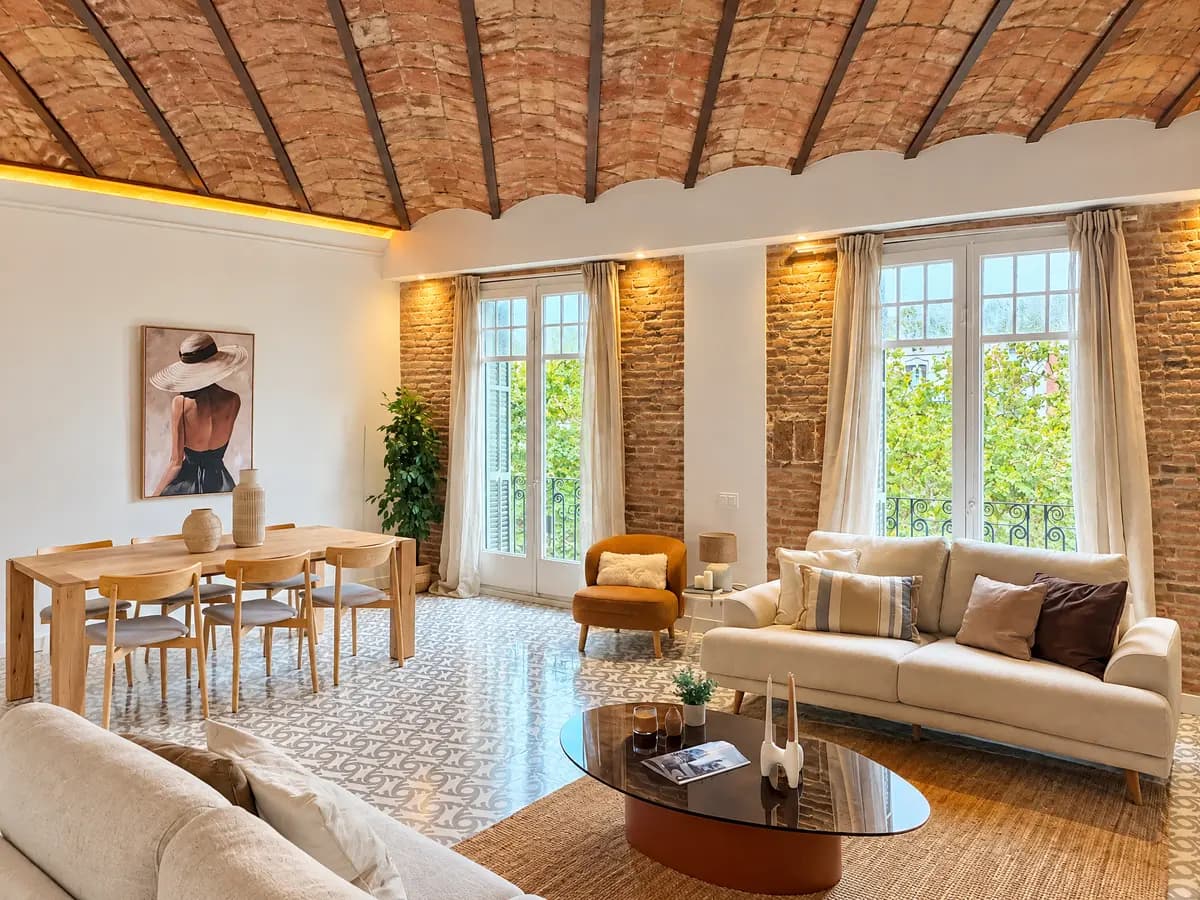
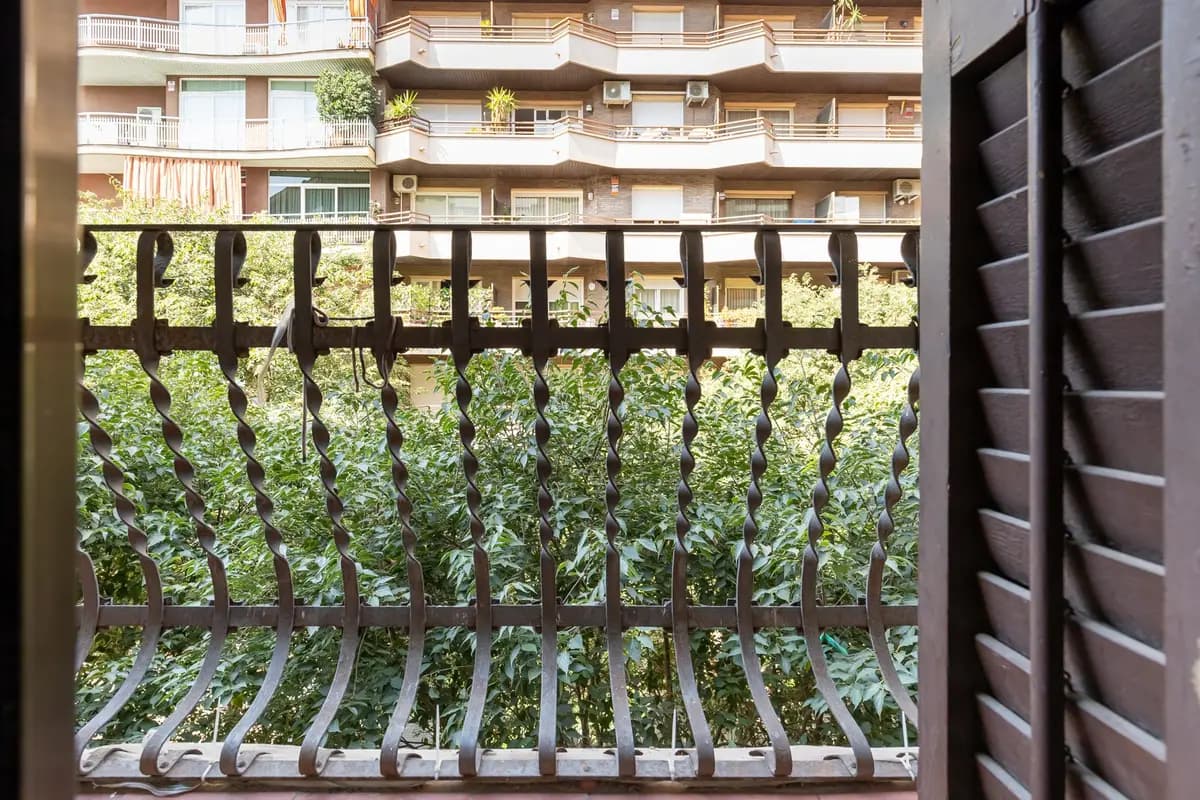
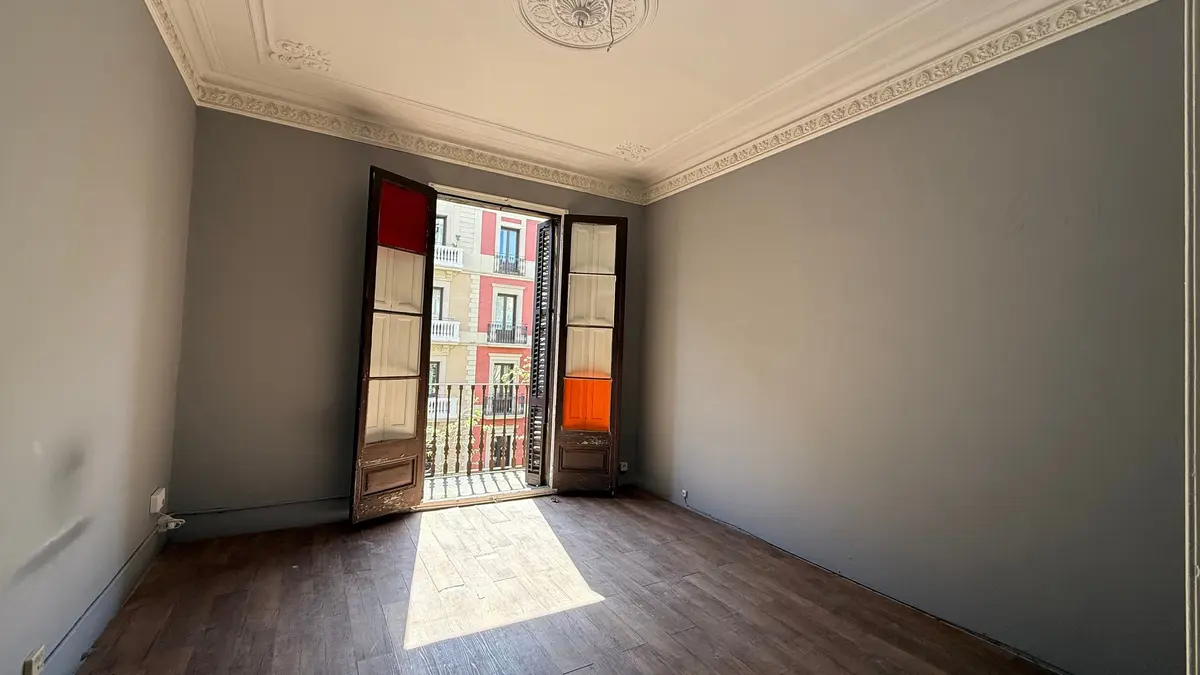
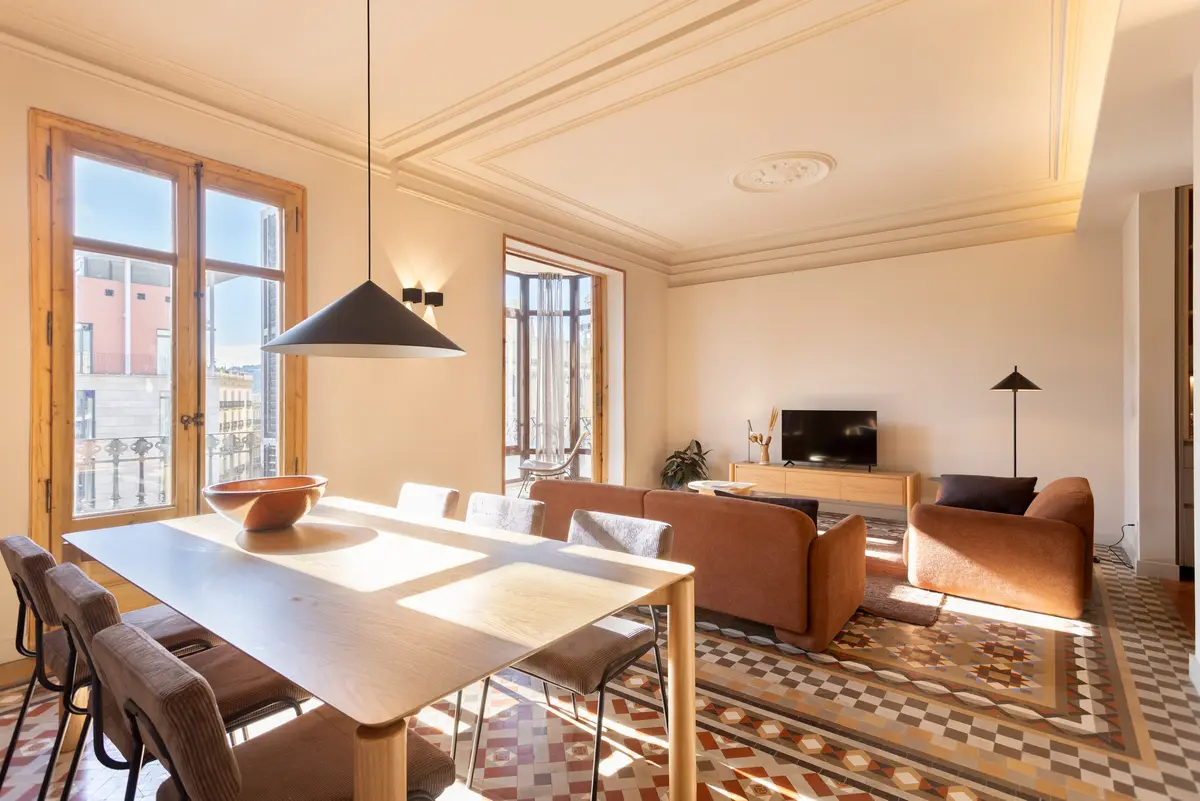
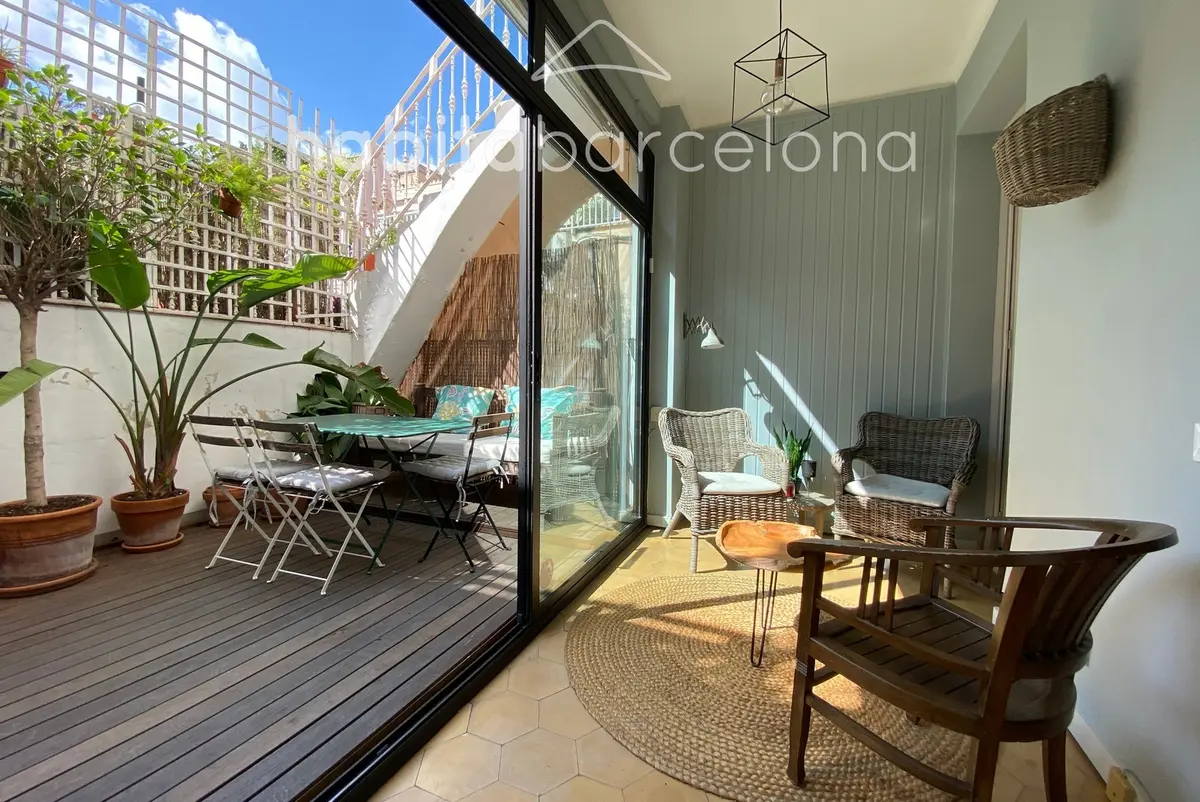
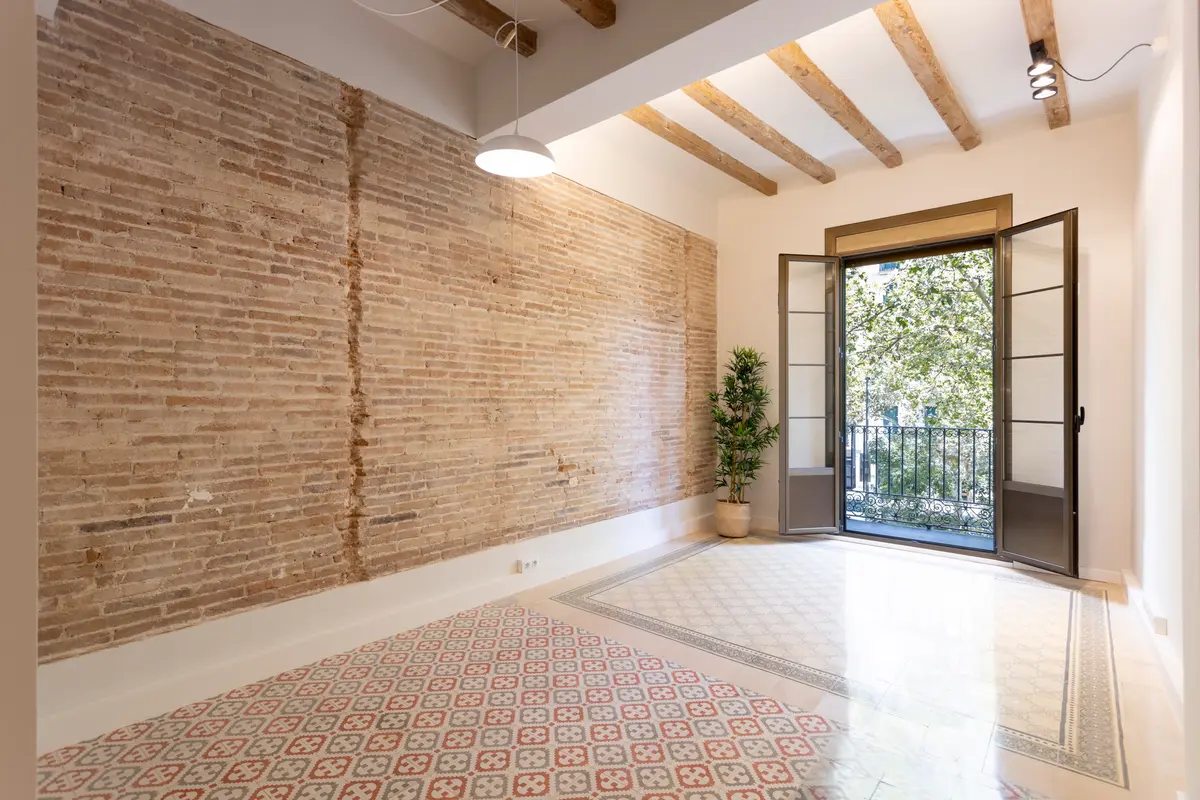
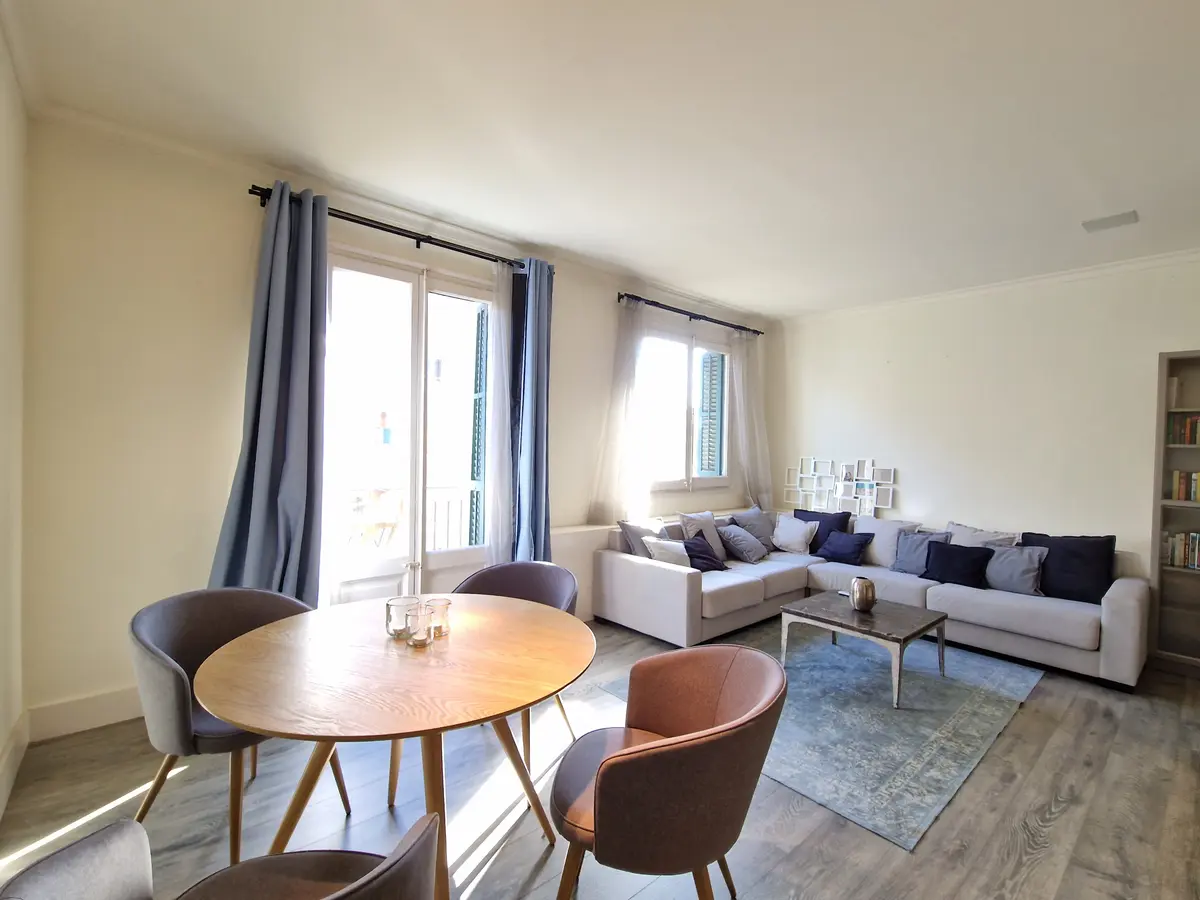
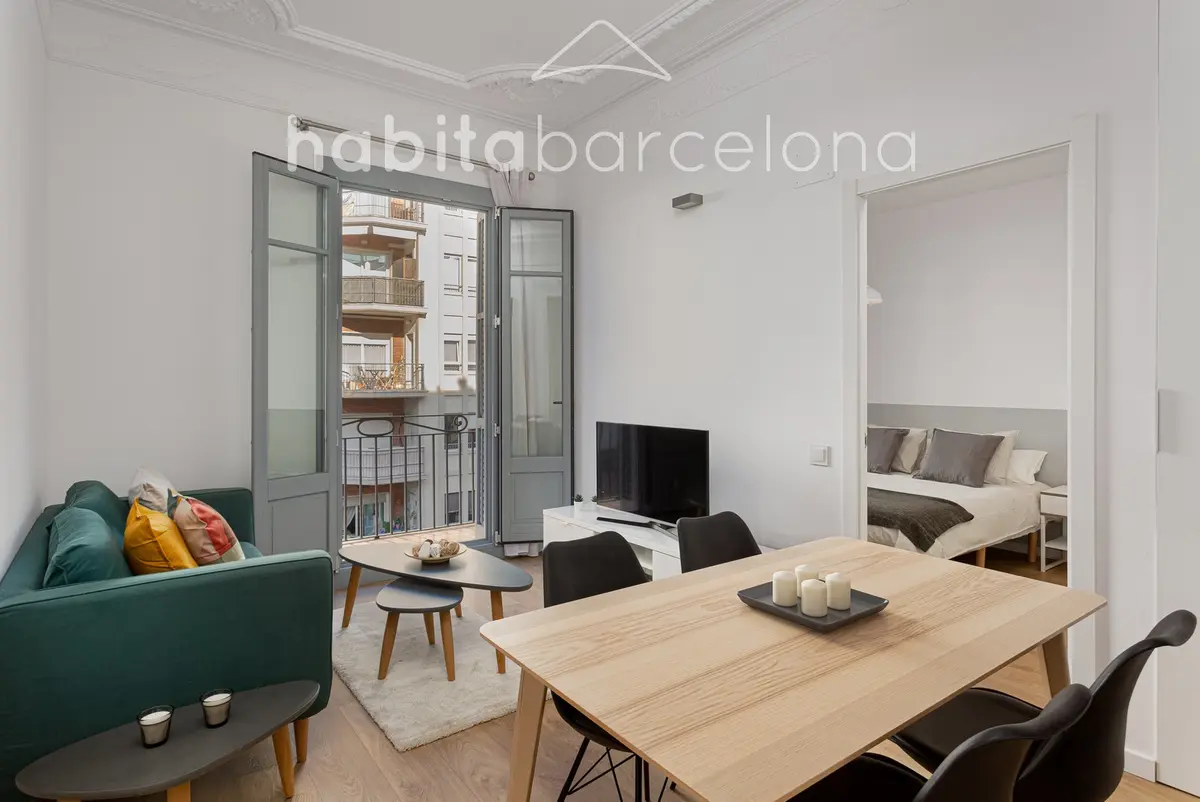
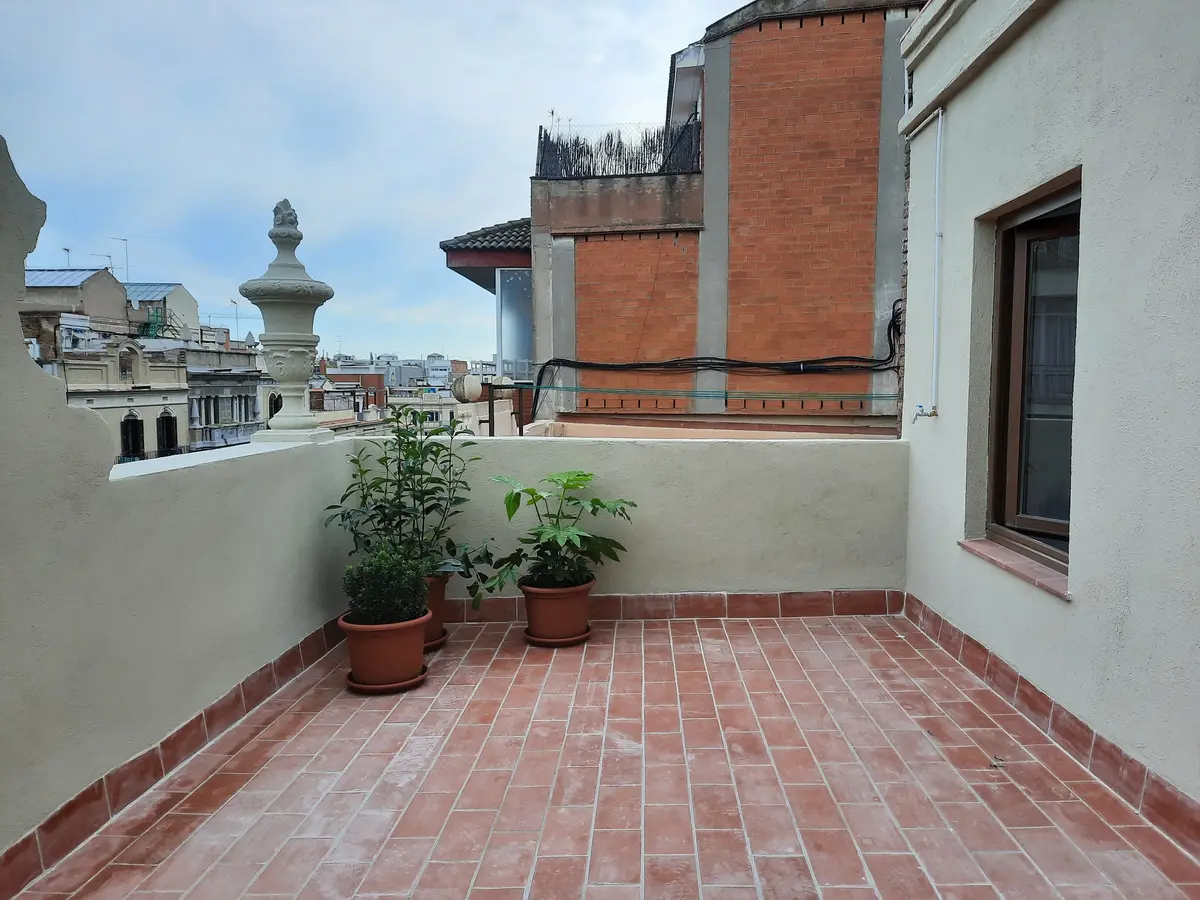
The typical home is an apartment in a grand or classic building: high ceilings, often with mouldings, hydraulic tile floors, galleries that look onto the inner block courtyards, and balconies onto the street. Alongside them are more recent buildings with lifts and parking spaces, and penthouses with terraces that are among the most sought-after apartments in the city. Cerdà conceived the centre of each block as a garden, and some of those inner courtyards have already been recovered as green spaces for residents.
It is a district that suits almost everyone: professionals who want to live close to work, families who value having schools, services and shops on their doorstep, and expats arriving in Barcelona who prefer not to depend on a car. Several metro lines, buses and the Passeig de Gràcia station connect it with the rest of the city, and the regular layout of its streets makes getting around on foot or by bicycle easy.
We know Eixample building by building: which streets are quieter, the orientation of an interior apartment (one facing the courtyard), or what a recent renovation may be hiding. If you are looking to buy or rent in the district, we show you what suits you and explain clearly what does not.